Key Takeaways
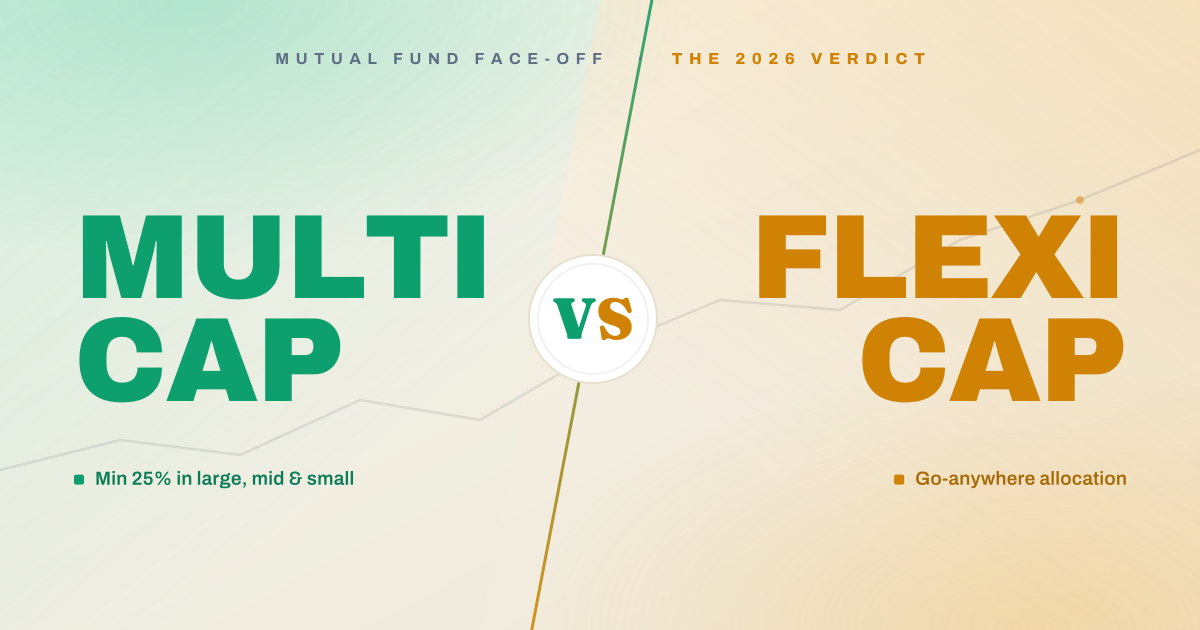
- SEBI mandates multi-cap funds maintain a minimum 25% each in large, mid, and small-cap stocks.
- Flexi-cap funds have no allocation minimum — the fund manager has full discretion.
- Multi-cap funds offer structured diversification but mandatory small-cap exposure increases volatility.
- Flexi-cap funds suit investors who trust active management and want tactical flexibility.
- Both categories are suited for 7+ year investment horizons — not for short-term goals.
Introduction
You want a diversified mutual fund with exposure across large, mid, and small-cap companies. Two categories instantly come up: multi-cap funds and flexi-cap funds. They sound similar but follow very different rules. Getting this choice right matters — especially if you want to avoid unintended concentration in one market segment. Here is a clear breakdown.
What Is the Difference Between Multi-Cap and Flexi-Cap Mutual Funds in India?
The difference lies in SEBI's allocation mandates. A multi-cap fund must always maintain at least 25% each in large-cap, mid-cap, and small-cap stocks — that is a minimum 75% allocation mandate across three segments. A flexi-cap fund has no such minimum requirement — the fund manager can put 100% in large-caps or 100% in small-caps based on their view of the market. This regulatory distinction drives the risk and return profile of each category.
SEBI Allocation Mandates: Multi-Cap vs Flexi-Cap
| Feature | Multi-Cap Fund | Flexi-Cap Fund |
|---|---|---|
| Minimum large-cap allocation | 25% | None (0–100%) |
| Minimum mid-cap allocation | 25% | None (0–100%) |
| Minimum small-cap allocation | 25% | None (0–100%) |
| Fund manager discretion | Limited (25% floors) | High (full discretion) |
| Volatility | Higher (mandatory small-cap) | Varies by manager decision |
| SEBI Category | Multi Cap Fund | Flexi Cap Fund |
Who Should Choose a Multi-Cap Fund?
If you want guaranteed diversification across all market cap segments — and you do not trust any single fund manager's market-timing decisions — a multi-cap fund enforces that discipline through SEBI's mandate. The mandatory 25% small-cap component adds higher growth potential but also higher volatility. It suits investors with a 7 to 10 year horizon who can tolerate short-term swings in exchange for broad-market participation.
Who Should Choose a Flexi-Cap Fund?
If you prefer a skilled fund manager making tactical allocation decisions — shifting towards large-caps when markets are overvalued, or loading up on mid-caps during corrections — a flexi-cap fund is more dynamic. Historically, flexi-cap funds have been popular with investors in metros like Bengaluru and Kolkata who want equity exposure with professional active management. The trade-off is that your small and mid-cap exposure depends entirely on the manager's conviction.
Disclaimer
Mutual fund investments are subject to market risks. Please read all scheme-related documents carefully before investing. Past performance is not indicative of future results.
Baid Inbest LLP is an AMFI-registered Mutual Fund Distributor. ARN: 86114. This content is for educational purposes only and does not constitute personalised investment advice.
Not sure which fund category matches your risk profile? Get a free portfolio consultation at www.inbestnow.com or call +91 99039 21999.