Key Takeaways
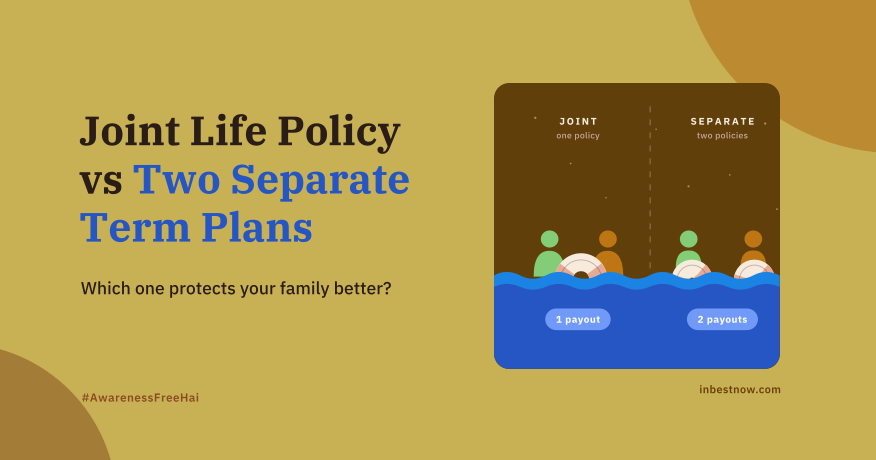
- Joint life policies typically pay only on the first death — the surviving spouse is left uninsured thereafter.
- Two separate individual term policies provide full, independent coverage for each spouse throughout their respective tenures.
- The premium difference between joint and two separate policies is usually small relative to the superior protection of separate plans.
- After the first death claim in a joint plan, the surviving spouse must buy new insurance at an older age — more expensive, potentially subject to health exclusions.
- For business partners with joint liabilities, joint key person insurance has specific valid applications.
Introduction
When couples buy life insurance, one option that comes up is a joint life policy. One premium, one plan, both covered. But there is a structural limitation in most joint life plans that could leave your family exposed — and most people discover it only when it is too late.
| Feature | Joint Life Policy | Two Separate Policies |
|---|---|---|
| Premium | One combined premium — may be cheaper | Two separate premiums |
| Sum assured | Typically one payout on first death | Each person has full independent cover |
| After first claim | Policy usually ends — surviving spouse uninsured | Surviving spouse's policy continues intact |
| Divorce/separation | Legally complex to separate | Each person owns their own policy independently |
| Flexibility | Hard to adjust individual cover | Each policy managed independently |
The Critical Flaw: First Death Only
Most joint life term plans pay the sum assured only on the FIRST death — and the policy terminates. The surviving spouse, who may be relatively young with dependent children, is now uninsured. They must buy a new policy at an older age, at significantly higher premiums, potentially with new health conditions. This structural gap is the core argument against joint life policies for most families.
When Joint Policies Make Sense
A joint policy can be appropriate when: both spouses have a joint liability (shared home loan); the premium saving is significant; both are healthy and could later switch to individual plans; or for specific business partnership insurance structures. For most middle-class Indian families with children, two independent term policies provide substantially better long-term protection.
Disclaimer
Insurance is the subject matter of solicitation. Please read the policy terms and conditions carefully before purchase. Baid Solutions Insurance Broking Pvt. Ltd. is an IRDAI-registered Direct Insurance Broker (Reg. No.: 831). This content is for educational purposes only and does not constitute personalised advice.
Joint vs separate policies for you and your spouse? Get independent advice from Inbest — visit www.inbestnow.com or call +91 9903921999.